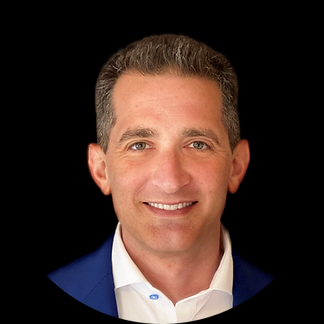
Eric Scharaga
Founder, Damen Capital Fund
Private lender and direct land note buyer serving land investors nationwide. Featured on REtipster, Legends of Land, and Land Investing Online. LinkedIn →
By Eric Scharaga, Founder, Damen Capital Fund · August 2026
Fractional note investing, buying a piece of a mortgage note rather than the whole thing, gets pitched to investors as the affordable door into note income: $25,000 buys you a quarter of a $100,000 note instead of needing the whole ticket. The pitch is real as far as it goes. What the pitch usually skips is what you actually own, who controls it, and the legal machinery underneath. Here is the honest version.
In a fractional sale, multiple investors each buy an undivided percentage interest in one note and deed of trust. Some structures record each investor on an assignment, others hold the note through a servicing arrangement with investors listed on a schedule. Every holder shares payments pro rata. And every holder shares the same problem: no one of them controls the asset. A note cannot be half-foreclosed. When the payer defaults, every decision, foreclose, modify, extend, sell the note, requires whatever consent mechanism the fractional agreement created, among people who have never met each other, with different tax situations, cash needs, and risk tolerance.
The fractional pitch answers a real need, deploying $25K to $250K into secured lending without buying whole assets alone. Two structures deliver that with control intact. Buying whole notes at smaller balances: seller-financed land notes commonly carry $25,000 to $80,000 balances, whole-note ownership at fractional-ticket prices, with full control and a real resale market. Or active co-lending: funding new first-lien land loans alongside a lender who keeps its own capital in every deal, with your name on the recorded mortgage and your own yes or no on each loan. That is the structure we operate, 10% interest, monthly ACH payments, deal-by-deal participation, and it exists precisely because it gives an investor the fractional-sized ticket without the fractional loss of control. The co-lending program page covers requirements, we keep the group small and the fit specific.
Sometimes the specific deal justifies it. Then: read the intercreditor mechanics before wiring, demand the servicing agreement, confirm how the offering was structured for securities purposes and get it in writing, price in illiquidity by demanding a yield premium over whole-note returns, and never buy a fraction where the seller controls decisions but keeps no money in the deal. The structure is not evil, it is just usually the best deal for the person selling it, and your job is to make sure this time it is also a good deal for the person buying.
Qualified investor looking for a stronger structure? See how our active co-lending works.
See the Co-Lending Program →Buying an undivided percentage interest in a mortgage note alongside other investors, sharing payments pro rata. It lowers the entry ticket but no single holder controls the note, and default decisions require whatever consent mechanism the agreement created.
Yes when structured properly, but fractional interests sold to passive investors are treated as securities offerings in most states, requiring registration or an exemption by the seller. Buyers should ask directly how the offering was structured and expect a documented answer.
Loss of control in default, co-owner deadlock, servicer discretion, and illiquidity, fractional interests are far harder to resell than whole notes. The yield should compensate for all of it, and often does not.
Buying whole notes at smaller balances, seller-financed land notes often run $25,000 to $80,000, or active co-lending on new first-lien loans, where the investor is named on the recorded mortgage, decides deal by deal, and funds alongside the originating lender's own capital.
Private lender and direct land note buyer serving land investors nationwide. Featured on REtipster, Legends of Land, and Land Investing Online. LinkedIn →