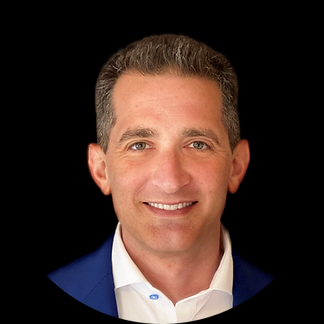
Eric Scharaga
Founder, Damen Capital Fund
Private lender and direct land note buyer serving land investors nationwide. Featured on REtipster, Legends of Land, and Land Investing Online. LinkedIn →
By Eric Scharaga, Founder, Damen Capital Fund · August 2026
A loan participation is the private lending world's way of splitting one loan among several funders: a lead lender originates and holds the loan, then sells shares of it, participations, to other investors. The participant gets a slice of the payments proportional to their share. It sounds simple, and the economics are. What separates good participations from bad ones is everything in the participation agreement that is not the interest rate.
The lead lender underwrites, closes, and services the loan in its own name. The borrower usually never knows participants exist. Each participant signs a participation agreement with the lead and wires their share of the funding, and thereafter receives their share of every payment collected. The critical structural fact: the participant's legal relationship is with the LEAD LENDER, not the borrower. Your name is not on the mortgage. You hold a contract right against the lead, who holds the lien.
The alternative structure, and the one we use at Damen Capital, is co-lending: instead of buying a share of our loan, the investor IS a lender, named on the note and the recorded mortgage, funding alongside our capital with their own decision on every deal. The practical differences: a co-lender's interest is a direct first lien on the land, recorded in the county, not a contract claim against us. A co-lender sees the deal before funding and can pass. And there is no lead-failure risk between the investor and the collateral, because the investor holds the collateral position directly. Participations exist because they are convenient for the lead. Co-lending exists because it is stronger for the investor. New to the structure entirely? Start with what co-lending is. Our co-lending program explains the requirements and terms.
Participations sold to passive investors, particularly small fractional shares marketed broadly, can be treated as securities offerings under federal and state law, with registration or exemption requirements the seller must handle. Sophisticated leads structure carefully; careless ones create problems for everyone in the deal, participants included. If you are offered a participation, ask the lead directly how the offering is structured and who their securities counsel is. A good lead has an answer. Active co-lending, where the investor participates in the lending decisions and holds the lien directly, is the structure built to avoid the problem rather than paper over it.
Qualified investor looking for a stronger structure? See how our active co-lending works.
See the Co-Lending Program →An arrangement where a lead lender originates and holds a loan, then sells proportional shares of it to other investors. Participants receive their share of payments but their legal rights run against the lead lender through a participation agreement, not against the borrower or the collateral directly.
A participant owns a contract claim against the lead lender. A co-lender is named on the note and recorded mortgage, holding a direct lien interest in the property and making their own funding decision on each deal. Co-lending is the stronger position for the investor.
Pari passu splits every dollar collected proportionally among all holders, including default recoveries. Senior/subordinate structures order who gets paid first and who absorbs losses first, which changes risk substantially at the same stated yield.
They can be. Participations and fractional interests sold to passive investors are frequently treated as securities under federal and state law, requiring registration or an exemption. Ask any lead lender offering participations how their offering is structured.
Private lender and direct land note buyer serving land investors nationwide. Featured on REtipster, Legends of Land, and Land Investing Online. LinkedIn →