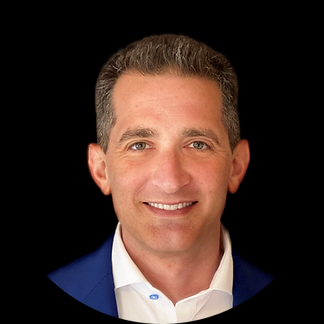
Eric Scharaga
Founder, Damen Capital
Private lender and direct land note buyer serving land investors nationwide. Featured on REtipster, Legends of Land, and Land Investing Online. LinkedIn →
By Eric Scharaga, Founder, Damen Capital · Published Oct 5, 2026 · Updated Oct 5, 2026
After "what is your rate," the question I get most is "how much do I have to bring to closing?" The honest answer depends on who lends, what kind of deal it is, and above all what you pay for the land. Here is the down payment by lender, by deal type, in dollars.
Plan on 20% to 50% down at a bank and 20% to 35% with a private land lender, or 0% cash with a second property pledged.
Banks and credit unions set land down payments high because vacant land is hard to resell, with raw land at the top of their range. A private land lender like us looks at the deal instead: buy below value and 20% covers it. Pay full value and you bring more.
| Lender or option | Typical down payment | Who it fits |
|---|---|---|
| Bank or credit union | 20% to 50%, raw land at the high end | Buyers with time, strong credit, and income paperwork |
| USDA Farm Service Agency Down Payment Program | As little as 5% | Beginning farmers who will run the farm |
| Private land lender (Damen Capital) | 20% on a discounted buy, up to 35% at full value | Investors buying through a company, closing fast |
| Cross collateral with us | 0% cash | Investors who own another property to pledge |
| Seller financing | Whatever you and the seller agree to | Buyers whose seller will carry the note |
Sources: bank range, MIDFLORIDA Credit Union, 9 Things Property Buyers Should Know About Land Loans. USDA, FSA fact sheet for beginning farmers and ranchers. Damen Capital figures are our current program terms.
Need a land loan?
$30K to $1M, as little as 20% down, no appraisal, close in as little as 7 days. Written quote in 24 hours.
Get a Free QuoteApply NowBecause we lend the lower of 65% of the land value or 80% of the price, so a better price means less cash down.
The two limits cross at about 81% of value. Buy at or below that and the 80% of price limit sets the loan, so you bring 20%. Pay more than that and the 65% of value limit takes over, and every extra dollar of price comes out of your pocket.
Here is the same parcel, valued at $150,000 from comparable sales, bought at three prices:
| Buy at $100,000 | Buy at $125,000 | Buy at $150,000 | |
|---|---|---|---|
| 65% of value | $97,500 | $97,500 | $97,500 |
| 80% of price | $80,000 | $100,000 | $120,000 |
| Loan (the lower number) | $80,000 | $97,500 | $97,500 |
| Cash you bring | $20,000 (20%) | $27,500 (22%) | $52,500 (35%) |
In my experience, the fastest way to cut your down payment is not a different lender. It is a better price. Negotiate the land, and the down payment takes care of itself. You can run your own numbers in the land loan calculator.
A flip follows the purchase rule, usually 20% down. A subdivide is 20% if the plat records at closing, otherwise 35% at closing with 15% paid back to you later.
A land flip is a straight purchase, so the price table above applies. Flippers buy at a discount, so most of our flip loans land at 20% down.
A subdivide depends on whether the plat is recorded. On a $200,000 purchase:
| Plat records at closing | Plat not recorded yet | |
|---|---|---|
| Loan at closing | $160,000 (80%) | $130,000 (65%) |
| Cash you bring at closing | $40,000 | $70,000 |
| Holdback released later | None | $30,000 (15%) when the plat records and every lot passes perc |
| Your cash in the deal after that | $40,000 | $40,000 |
Both paths end at 20% down. The difference is how long you float the extra 15%. If you can get the plat recorded before you buy, do it.
Yes, if you own another property you can pledge as extra collateral.
With cross collateral, you pledge one property you already own instead of bringing cash. We finance up to 100% of the purchase price at the same rate and terms. It is one extra property per loan, not a stack of them. You can still sell the pledged property any time: the title company pays us a release amount, about what your down payment would have been, and our lien comes off.
Without a second property, true zero down is rare. The other routes are a seller who carries the note, covered in seller carryback financing on land, or a partner who brings the cash.
Closing costs, a $600 lender closing fee, and reserves for at least 5 months of interest.
The down payment is not the whole check. Plan for these:
A buyer who spends every dollar on the down payment is one slow sale away from trouble. Keep the reserves.
Buy below value, pledge a second property, or record the plat before you close.
For the rest of what a lender checks, like the company borrower, the purchase contract, and legal access, see land loan requirements.
Know your price? Get your loan amount and your cash to close in a free written quote.
Get a Free Quote →Plan on 20% to 50% down at a bank or credit union, with raw land at the high end. With a private land lender like Damen Capital, plan on 20% when you buy below value and up to 35% when you pay full value. With a second property pledged as cross collateral, you can put 0% cash down.
Not with cash alone at most lenders. Our minimum is 20% cash down on a purchase. The USDA Farm Service Agency allows 5% down, but only for beginning farmers who will run the farm. The other way under 20% is cross collateral: pledge a property you already own and finance 100% of the price.
Both. We lend the lower of 65% of the land value or 80% of the price you pay. Buy well below value and the 80% of price limit applies, so you bring 20%. Pay close to full value and the 65% of value limit applies, so you bring more. We set value from comparable sales, with no appraisal.
Bring the title company closing costs and our $600 closing fee, and keep reserves for interest. Our loans are interest only at 14% on loans of $100,000 and up and 16% under $100,000, with a 5 month minimum interest. The 2% exit fee is paid from the sale or payoff, not at closing.
Private lender and direct land note buyer serving land investors nationwide. Featured on REtipster, Legends of Land, and Land Investing Online. LinkedIn →